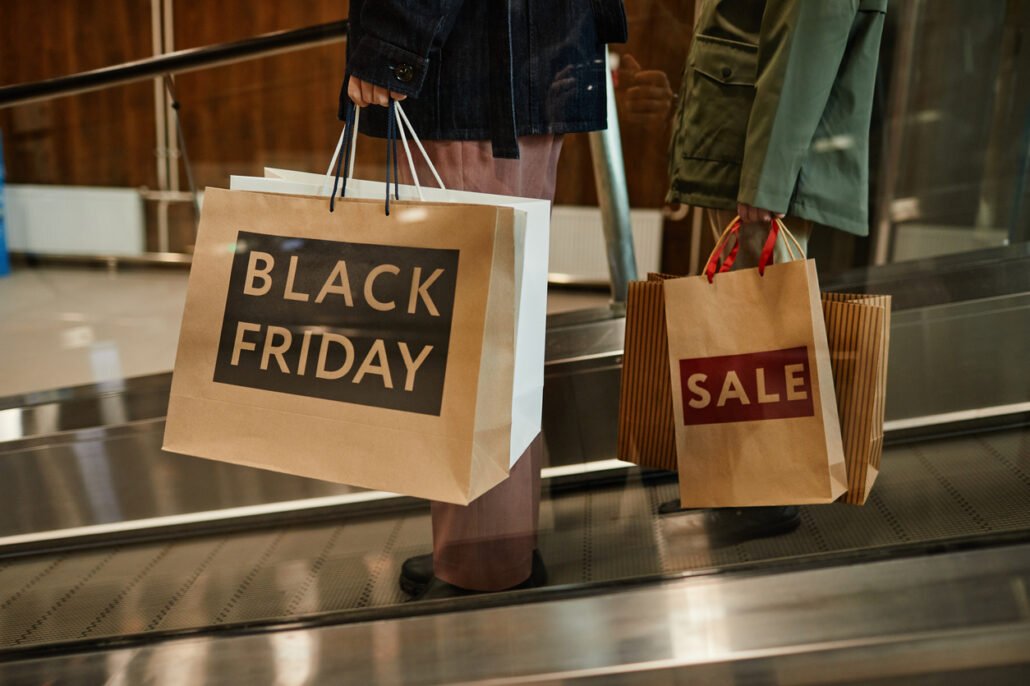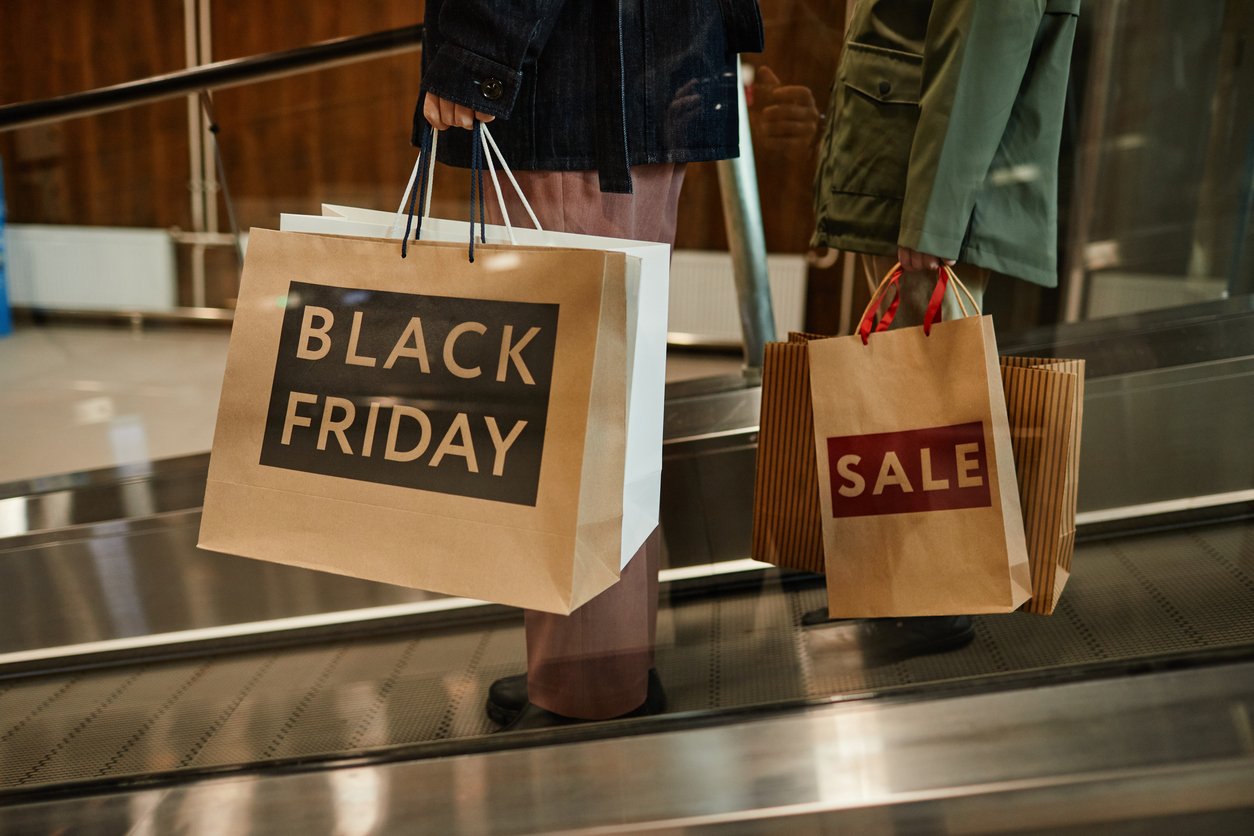
Once defined by early morning queues and in-store chaos, Black Friday has evolved into a digital-first, month-long retail strategy. What began as a single day of sales now reflects a much broader shift in consumer behaviour — and a fundamental change in how brands plan and execute seasonal marketing activity.
From the High Street to the Homepage
Traditionally, Black Friday marked the start of the festive shopping season, driving footfall and creating urgency through one-day-only in-store promotions. But as e-commerce began to dominate and shopping habits moved online, the nature of the event changed.
According to recent research, the majority of Black Friday spending has taken place online for the past five years, with this figure expected to reach 53.9% in the UK in 2025. The pandemic further accelerated this shift, forcing retailers to prioritise online experiences and rethink the traditional retail calendar.
For many brands, Black Friday has since become less about physical queues and more about digital discovery — using online offers, targeted advertising and email exclusives to reach consumers directly.
The Rise of ‘Black November’
In recent years, Black Friday has expanded beyond its 24-hour window. More retailers are now opting to spread discounts and activations across the whole of November. The “Black November” approach not only meets consumer demand for convenience but also helps brands ease operational pressures such as fulfilment and customer service peaks.
According to a roundup from The Independent, many retailers, including AO, Argos and Boots, have already gone live with their deals — reflecting how early brands now activate their campaigns.
This extended period allows for more strategic marketing, enabling brands to engage audiences gradually and drive conversions over time. From early-access offers to loyalty rewards, the extended Black Friday calendar has become a key part of long-term sales and retention strategies.
A Shift in Consumer Mindset
Consumer attitudes towards Black Friday are evolving. According to YouGov’s Great Britain Black Friday & Cyber Monday 2025 Report, 35% of UK shoppers are less interested in mega sales events than they were two to three years ago, with 63% citing misleading discounts and 43% saying the novelty has worn off.
Despite this, participation remains steady — one in three Britons still plan to shop the sales this year, led by Gen Z (52%) and Millennials (48%). For brands, the focus now lies in maintaining credibility through transparent pricing, relevant offers and authentic storytelling that align with more deliberate, value-driven consumer behaviour.
Balancing Opportunity and Brand Equity
While longer promotional windows bring clear advantages, they also come with challenges. Extending discount periods risks diluting brand value if not handled with care. Brands must balance competitive pricing with consistent storytelling and tone of voice to maintain trust and avoid “discount fatigue.”
Strategic differentiation — whether through creative campaigns, influencer partnerships or distinctive brand narratives — remains key to standing out in an increasingly cluttered digital space.
What This Means for Marketers
The evolution of Black Friday reflects the changing consumer landscape: more digital, more deliberate and more demanding of meaningful brand engagement.
For marketers, success now lies in combining insight-led planning with agile, authentic communication that resonates beyond price alone.
Black Friday may have started as a single shopping day, but today it represents a month-long opportunity for brands to connect with consumers in smarter, more strategic ways — and to turn seasonal sales into long-term loyalty.
Want to read more consumer spending insights? Read our blog on The Rise of Small Luxuries.
Looking for a consumer PR and marketing agency? Visit our Contact page — we’d love to chat!
Sources
Blog Cover Image: SeventyFour/istockphoto.com
https://yougov.com/en-gb/reports/52983-uk-black-friday-cyber-monday-2025