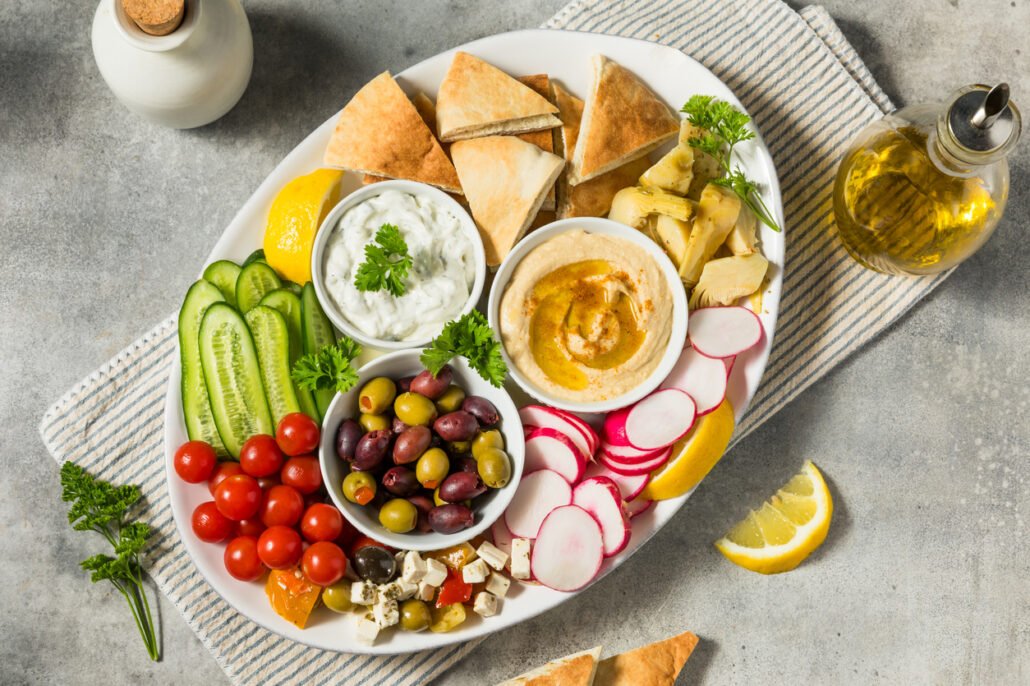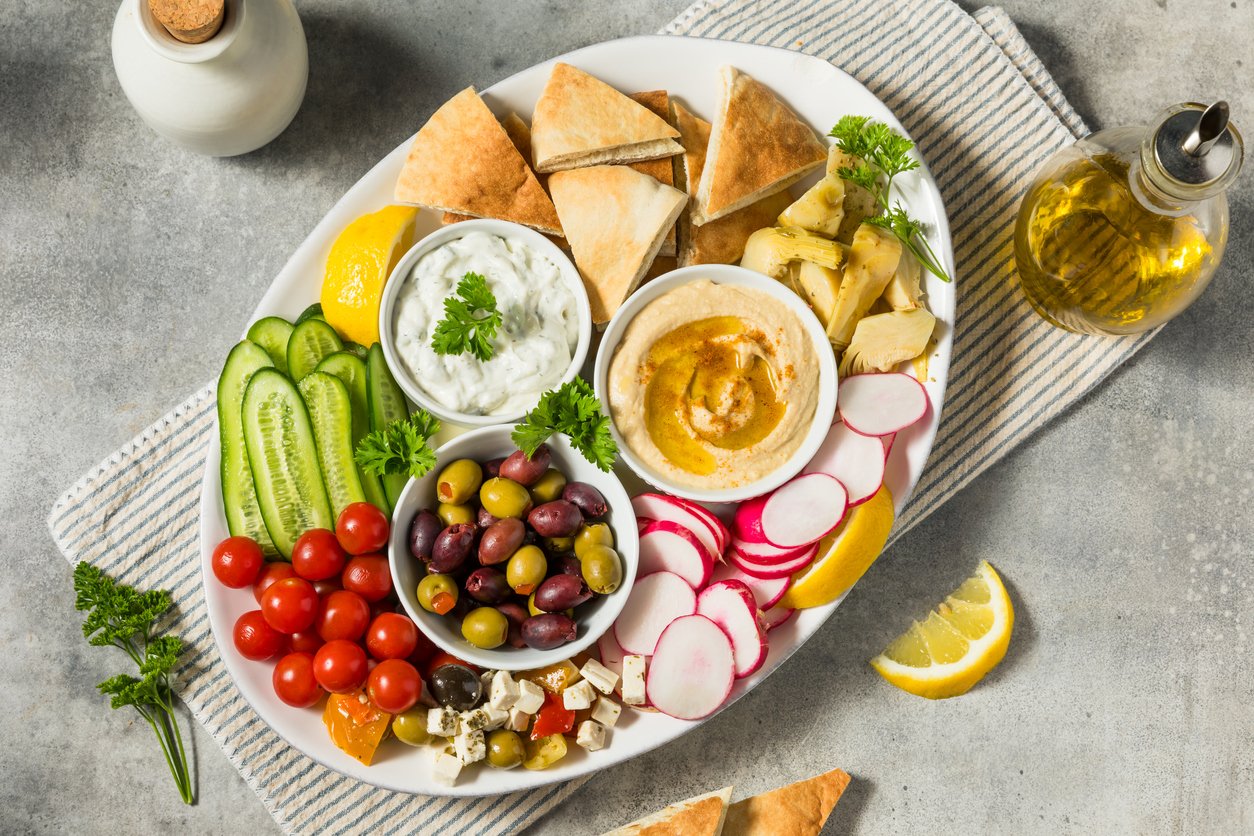
The classic three meals a day might be heading for a rebrand — and snackification is leading the charge.
As eating habits evolve, we’re seeing a cultural shift in how — and why — people eat. It’s no longer just about fuelling up or saving time. Increasingly, consumers are choosing how they want to eat based on mood, moment and even aesthetic. Enter: snackification.
From the rise of girl dinners to Instagrammable grazing boards and tapas-style supermarket innovations, there’s a growing demand for variety over volume — and full meals are quietly being replaced by a curated mix of “little somethings.” It’s a movement to watch closely in the wider conversation around food trends 2025.
Small Plates, Big Appeal
We’re not just busier — we’re also bored of the same old flavours. Consumers, especially younger demographics, are favouring formats that offer:
- Choice and control – A little bit of everything, tailored to personal tastes, dietary needs or simply the vibe of the day.
- Playfulness and presentation – Food that’s fun to assemble, looks good on the plate, and is shareable both in person and on social media.
- Sociability – Formats that encourage communal eating and grazing across multiple occasions, rather than one fixed mealtime.
The girl dinner trend perfectly captures the shift — a personal plate of snacks and small bites that doubles as self-care, mood-setting, and creative expression. While the term is playful, the behaviour is very real — and brands are responding.
NPD That Reflects the Moment
Retailers and brands have taken note, with new product development (NPD) increasingly catering to the snackification mindset:
- Supermarket “picky bits” ranges – While M&S has led the snackification charge with its hugely popular “picky bits” NPD over the last few years, other retailers such as Waitrose and Aldi have also expanded their deli and snackable ranges.
- Mix-and-match meal deals – Smaller hot portions and snackable sides encourage consumers to curate their own balanced plates.
- Premium frozen snacks – Arancini, bao buns, and croquettes are moving beyond party food, marketed instead as weekday dinner heroes.
The appeal isn’t just that these formats are quick — it’s that they make mealtimes more flexible, expressive and fun.
What Brands and Marketers Should Be Thinking About in 2025
Snackification is an evolution in consumer eating habits — and a clear opportunity for storytelling, positioning and product innovation.
To stay relevant in the food trends 2025 landscape, brands should:
- Prioritise portion personalisation – Offer formats that let people build their own plate.
- Dial up the visual factor – Create food that photographs well and feels curated.
- Tap into the emotional side – Snack-style eating links naturally with self-care, flexibility and small moments of joy.
- Think beyond mealtimes – Every eating occasion, from breakfast to post-gym, is now snack territory.
The Future of Full Meals
Sit-down meals aren’t disappearing entirely — but they’re no longer the default. For Gen Z and Millennials especially, eating is becoming less structured, more intuitive and undeniably snackable.
For PRs, marketers and food & drink brands, that means the opportunity is wide open. Whether through influencer partnerships, bold product launches or clever sampling campaigns, those who embrace snackification could well be shaping the way the nation eats in 2025 and beyond.
Want to explore more on changing consumer eating habits? Check out this blog: Is Social Media Broadening Food Horizons?
Looking for a consumer marketing agency to help your brand stand out? Visit our Contact page — we’d love to chat!
Sources
Blog Cover Photo: bhofack2/istockphoto.com.
https://www.marksandspencer.com/food/content/grazing-board-ideas
https://www.waitrose.com/ecom/content/inspiration/features/must-try-picky-bits?srsltid=AfmBOoqGWlXoiPo5pjFCOtIxRu7-tWD98QBrJBGSpF3n1QABAtLhjbMf https://www.tiktok.com/@claudiaplatt2/video/7499486372126854402