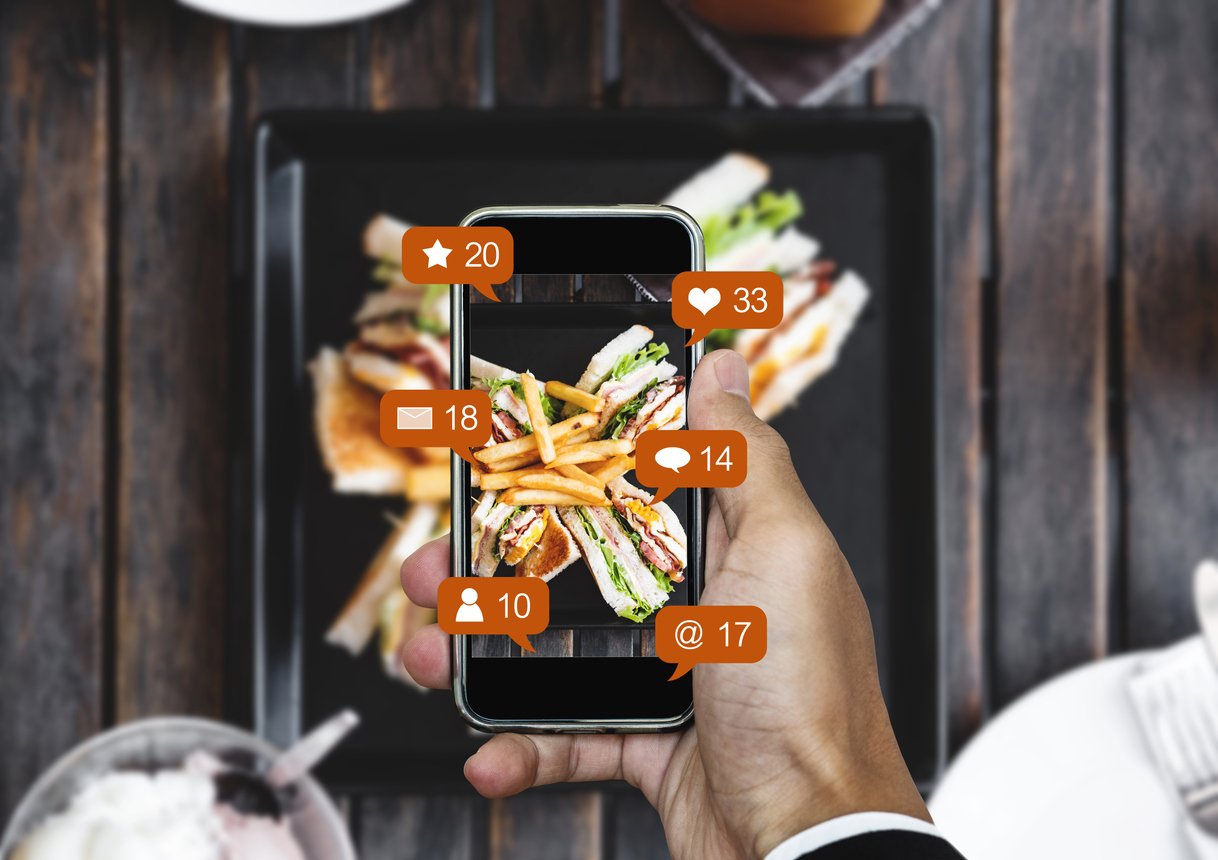
From #FoodTok trends to aesthetic recipe reels and global taste tests, it’s safe to say that social media is playing a significant role in shaping what – and how – we eat. But is it truly broadening the nation’s food horizons, or just serving up a highlight reel of what’s already trending?
From Local to Global in a Swipe
In the past, discovering new cuisines often relied on travel, word of mouth, or the occasional cookbook. Today, one scroll through Instagram or TikTok can introduce users to Korean corn dogs, Turkish ice cream vendors, or West African jollof rice—dishes that might not have otherwise crossed their paths.
Thanks to social media, food content has become a cultural exchange. Platforms are now giving voice to creators from all corners of the world, showcasing family recipes, street food gems, and regional traditions with a level of accessibility that TV cooking shows or blogs alone never quite reached. In fact, a 2023 Pew Research study found that younger Americans are increasingly turning to social media as a source of cultural education—including through food. This likely applies to social media users worldwide.
Bite-Sized Content, Big Influence
Short-form video is revolutionising home cooking. Apps like TikTok and Instagram Reels allow creators to condense entire cooking processes into bite-sized, visually compelling clips—which viewers often emulate at home.
For instance, viral trends such as baked feta pasta, Dubai chocolate, and fridge‑raiding “girl dinners” may not always be gourmet, but they spark curiosity and experimentation—two key ingredients for expanding food horizons. And retailers are taking note—some even stock racks dedicated to TikTok-vetted ingredients, highlighting the platform’s grip on consumer behaviour.
Destigmatising Food Norms
Social media has also helped normalise alternative diets and ingredients. Whether it’s plant-based living, dairy-free baking, or even insect protein, platforms have made niche choices more mainstream. Influencers and creators help demystify unfamiliar foods, making them approachable through storytelling, tutorials, and honest taste tests.
A report from FoodGov identified social media as a key factor in driving awareness of food sustainability and influencing consumer choices, particularly among Gen Z audiences.
For food and drink brands, this presents an opportunity to lean into education and authenticity—bringing innovation to the table while tapping into social-first trends that reflect real shifts in consumer curiosity.
Potential Pitfalls: Flash Over Flavour
While social media does open the door to discovery, there’s an argument to be made that much of it remains surface-level. Trending dishes often prioritise visual appeal over authenticity, and some cultural foods can be reduced to fleeting fads. Without proper context, the deeper traditions and significance behind certain meals can be lost in translation.
Yet voices that weave storytelling, heritage, and context into their content prove that narrative depth can coexist with viral appeal.
Want to read more about social media in the food industry? Read our blog on The Importance of Influencer Marketing in the Food Industry.
Looking for a consumer marketing agency to help your brand stand out? Visit our Contact page — we’d love to chat!
Sources
Blog Cover Photo: SasinParaksa/istockphoto.com.
https://www.pewresearch.org/internet/2023/12/11/teens-social-media-and-technology-2023
https://www.food.gov.uk/sites/default/files/media/document/generation-z-full-report-final.pdf