Every March, brands and organisations mark Women’s History Month, and particularly International Women’s Day (8th March), by celebrating the achievements of women while recognising the progress still to be made toward gender equality.
For PR and marketing teams, these moments are opportunities to create campaigns that genuinely resonate. The most impactful campaigns go above and beyond acknowledging the day; they amplify women’s stories, challenge stereotypes and spark meaningful conversations.
Over the years, several campaigns have stood out for doing exactly that. Here are some that continue to inspire us.
“One Day We Won’t Need This Day” — Nike
Nike’s International Women’s Day campaigns consistently go beyond celebration to challenge perceptions. Their “One Day We Won’t Need This Day” initiative imagined a future where gender equality is the norm — a world where International Women’s Day is no longer necessary because equality has been achieved.
The campaign featured powerful female athletes, addressing both the present reality and the aspirational future of equity in sport. It positions Nike as both a champion and challenger, reframing the narrative from celebration to progress — a bold stance that aligns authentically with Nike’s brand purpose.
The Dream Gap — Mattel
For International Women’s Day, Barbie reframed a beloved cultural icon into a tool for empowerment, reinforcing the message that girls can grow up to be anything they imagine.
Mattel’s ‘The Dream Gap’ campaign, launched in 2018, celebrated female role models by creating dolls representing famous STEM leaders, athletes and activists. These limited-edition dolls showcased women breaking barriers in fields where girls are traditionally underrepresented.
The Dream Gap Project is a global mission that has evolved from this International Women’s Day campaign. Since 2019, Barbie has donated $250,000 every year to non-profit partners that work directly with girls and enable them to reach their full potential, creating a holistic approach to female empowerment.

Learn more about The Dream Gap
Because She Watched — Netflix
Netflix partnered with UN Women for “Because She Watched”, a curated collection of series, films and documentaries celebrating women storytellers. Curated by 55 women in entertainment, including Lana Condor, Millie Bobby Brown and Janet Mock, the collection features titles such as Orange Is the New Black, Grace and Frankie, Unbelievable and Hannah Gadsby’s Nanette.
The campaign underscores the importance of telling women’s stories and representing women in all their diversity, showing that fully including women on screen and behind the camera strengthens society as a whole. TV and film have the power to reflect and shape culture, and research shows that greater inclusion behind the camera leads to richer representation on screen. While there is still more work to achieve equality, celebrating female talent from around the world could encourage more women to tell their stories.
Body Proud Mums — Mothercare
The Mothercare “Body Proud Mums” campaign took a bold, impactful approach to representation. Shown across more than 30 London Underground stations and social platforms, it featured unretouched photos of real new mothers proudly displaying their post-birth bodies alongside the simple line, “Beautiful, isn’t she?”, with each mum’s story told in her own words.
Instead of promoting an unattainable ideal, the campaign celebrated postnatal bodies and aimed to normalise them, challenging societal pressure to “bounce back” after childbirth. Photographer Sophie Mayanne, known for refusing digital body manipulation, said the goal was to help women “feel like they belong” by seeing themselves authentically reflected in advertising.

Do the Lift Thing — B&Q
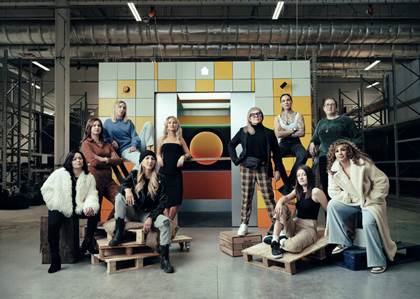
DIY and home improvement retailer B&Q may not be the first brand that comes to mind when thinking about women’s stories, but their 2025 ‘Do The Lift Thing’ campaign stood out. Featuring ten women in front of a custom-built lift with the message, “As you rise, lift others with you,” the campaign encouraged women to enter trade professions.
Only 2% of professionals in the trades industry are women, and B&Q pledged £1 million to fund apprenticeships in carpentry, plumbing, painting and decorating. The campaign celebrated tradeswomen breaking barriers while calling on more girls and women to consider careers in the sector.
Research highlighted that a lack of visible role models is a critical barrier — three-quarters of girls leaving school said they weren’t aware of women in trades, and half of girls aged 16–18 felt they didn’t have equal career opportunities compared to boys.
What Brands Can Learn
While each campaign approached Women’s History Month differently, the most effective share key traits:
- Real stories, real women — authenticity resonates.
- Challenging stereotypes — sparking meaningful conversations extends impact.
- Action beyond messaging — initiatives, partnerships or funding demonstrate genuine commitment.
For PR and marketing teams, Women’s History Month and International Women’s Day are huge opportunities to elevate voices, shift perceptions and create campaigns with real impact. And that’s exactly what makes campaigns like these worth celebrating.
Sources
Blog Cover Image: SouthWorks/istockphoto.com
https://www.youtube.com/watch?v=MzYYUGnmqLA
https://shop.mattel.com/pages/barbie-dream-gap
https://www.youtube.com/watch?v=DXxjURbHByU